We’ve all been there: the kitchen sink is draining a little slower than usual, or there’s a strange smell coming from the bathroom. While it’s easy to ignore minor drainage issues, putting them off can lead to severe structural damage, foul odors, and expensive repairs.
But how do you know when a simple DIY fix will do, and when it’s time to call in the experts at Dynamic Drainage Solutions?
Here are the top five warning signs that you have a blocked drain, and what you should do about it.
1. Slow Draining Water
This is often the very first symptom of a blockage. If the water in your sink, bathtub, or shower is taking noticeably longer to disappear, it’s a clear sign that something is restricting the flow. Over time, hair, soap scum, grease, and food particles can cling to the inside of your pipes, causing the water to drain sluggishly.
What to do: If it’s just one sink, a plunger or a simple mixture of baking soda and vinegar might do the trick. If it’s happening all over the house, the blockage is likely deeper in your main drainage system.
2. Unpleasant Odors
If you smell sewage or a foul, musty odor coming from your plug holes, don’t ignore it. When food debris, grease, or waste gets trapped in a pipe, it begins to rot. Because the blockage prevents the trapped debris from washing away, the smell only has one way to go—straight back up into your home.
What to do: Running hot water and bleach down the drain might provide a temporary fix, but if the smell persists, you’ll need a professional to clear the rotted material completely.
3. Gurgling Sounds
Do you hear a strange, rhythmic gurgling sound coming from your plugholes, toilet, or pipes when you flush or drain water? This sound is caused by trapped air bubbling up through the water. When a pipe is blocked, the air can’t flow through the system normally and creates a backdraft that causes the gurgling noise.
What to do: Gurgling is typically a sign of a severe blockage in the main sewer line or a blocked vent pipe. This is almost always a job for a drainage specialist.
4. Raised Water Levels in the Toilet
When you flush your toilet, the water level should rise slightly and then steadily drop back to its normal level. If the water level rises to the brim and stays there, or takes a remarkably long time to recede, you have a blockage.
What to do: Stop flushing immediately, or you risk overflowing the bowl and flooding your bathroom. A standard plunger might resolve a simple toilet paper clog, but if it doesn’t budge, the blockage may be further down the soil pipe.
5. Unexplained Puddles or Damp Patches Outside
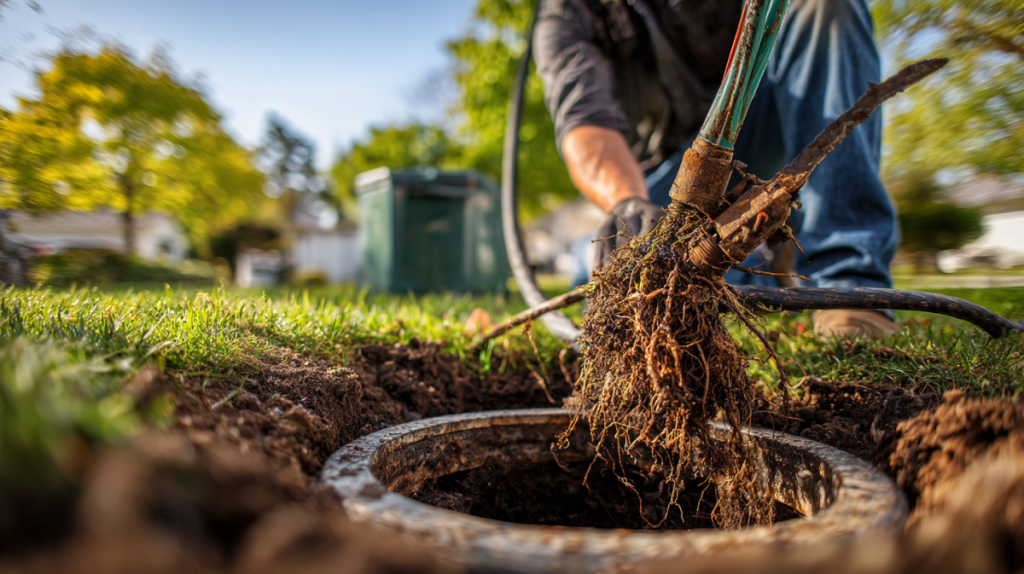
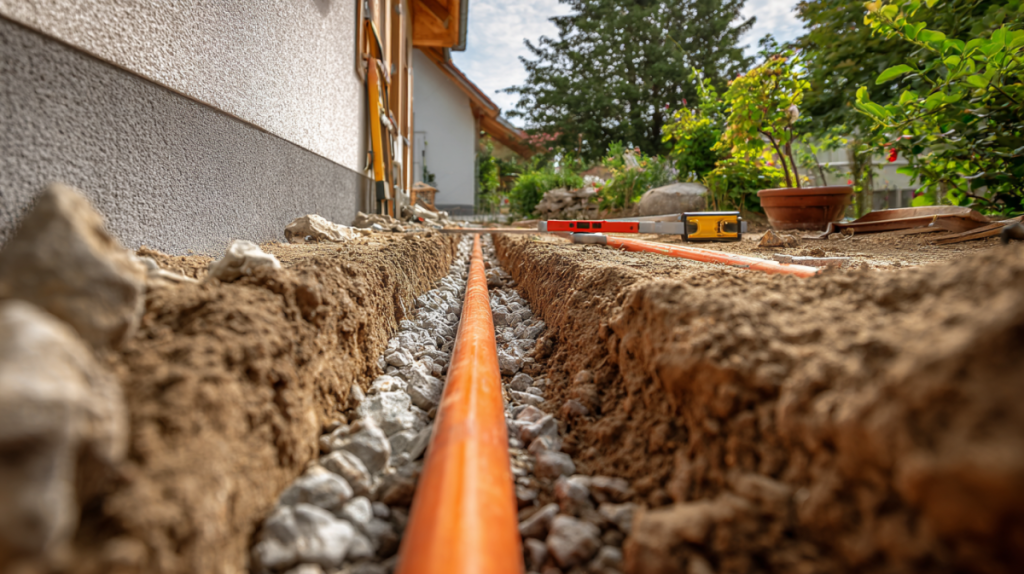
Not all drainage problems happen indoors. If your main exterior drain pipes (which carry waste away from your property) are blocked or broken, the wastewater has to go somewhere. This often results in localized flooding, damp patches on your lawn, or sunken areas in your paving where the earth has washed away underneath.
What to do: This is a serious issue that requires immediate attention. A professional team will typically use a CCTV drain survey to pinpoint the exact location and cause of the underground blockage without digging up your entire garden.
When Is It Time to Call Dynamic Drainage Solutions?
While minor, localized clogs can sometimes be handled with a plunger, repeating issues, foul smells, and multiple slow drains mean the blockage is deep within your plumbing infrastructure.
Using harsh chemical drain cleaners can often do more harm than good, melting your PVC pipes or pushing the blockage further down the system.
If you’re noticing any of these five warning signs, don’t wait for a complete backup. Contact Dynamic Drainage Solutions today to get your pipes flowing freely again!