
When faced with a stubborn slow-draining sink or a completely blocked shower trap, it’s tempting to head straight to the supermarket and buy the strongest chemical drain cleaner you can find. The bottle promises a fast, cheap, and effortless fix—just pour it in, wait, and let it work its magic.
However, as drainage professionals, we see the aftermath of these quick fixes every single day. While chemical unblockers might clear a minor clogs temporarily, they can cause devastating, expensive damage to your plumbing system in the long run.
Here is why you should think twice before pouring those harsh chemicals down your plughole.
1. They Eat Away at Your Pipes
Most commercial drain cleaners rely on incredibly harsh chemicals—like hydrochloric acid, bleach, lye, and sulfuric acid—to dissolve whatever is blocking the pipe. The problem? These chemicals don’t know the difference between the blockage and the pipe itself.
If you have older metal pipes or standard PVC (plastic) plumbing, these caustic chemicals can actually melt, weaken, or eat holes straight through them. Instead of paying for a simple blockage removal, you could end up paying for a massive plumbing replacement and water damage repair.
2. They Rarely Fix The Root Problem
Chemical cleaners work by burning a small hole straight through the center of a blockage so water can flow again. But they rarely remove the entire clog.
If your kitchen sink is blocked by thick, hardened grease, the chemical might clear enough space for the water to drain, but the walls of the pipe will remain coated in sludge. Within weeks, new debris will catch on the remaining grease, and you’ll be right back where you started.
3. The “Heat” Danger
Many chemical drain cleaners generate an intense thermal reaction (extreme heat) when they mix with water and whatever is causing the blockage. This heat is what is supposed to melt the clog, but it’s notorious for warping and cracking plastic pipes. In severe cases, particularly if the blockage doesn’t move and the chemicals sit in the pipe for too long, the heat can cause the pipe to burst.
4. They Are Highly Toxic and Dangerous
If a chemical drain cleaner fails to clear the blockage, those toxic chemicals are now sitting trapped in your sink or toilet bowl.
This creates a serious hazard. If you try to plunge the sink afterward, you risk splashing those corrosive acids onto your skin or into your eyes. If you eventually have to call out a professional from Dynamic Drainage Solutions, our engineers have to carefully extract standing, highly acidic water before they can safely inspect the problem.
(Always inform your engineer if you have attempted to use a chemical cleaner!)
What Should You Do Instead?
If you have a minor, localized blockage, here are a few safer DIY methods:
- The Plunger: It might be old-fashioned, but a good-quality plunger creates incredible suction that can dislodge most standard blockages without breaking your pipes.
- Boiling Water and Dish Soap (For Grease): If it’s a greasy kitchen sink, pour a generous squirt of dish soap down the plug, followed by a kettle of boiling water. Just be careful not to pour boiling water directly onto porcelain or a cold ceramic sink, which could crack.
- Baking Soda and White Vinegar: A cup of baking soda chased by a cup of vinegar creates a fizzing reaction that can help break up minor clogs naturally without the destructive heat and acidity of commercial cleaners.
When to Call the Experts
If your sink, bath, or toilet is still draining slowly after trying a plunger, the blockage is likely deep within your drainage system.
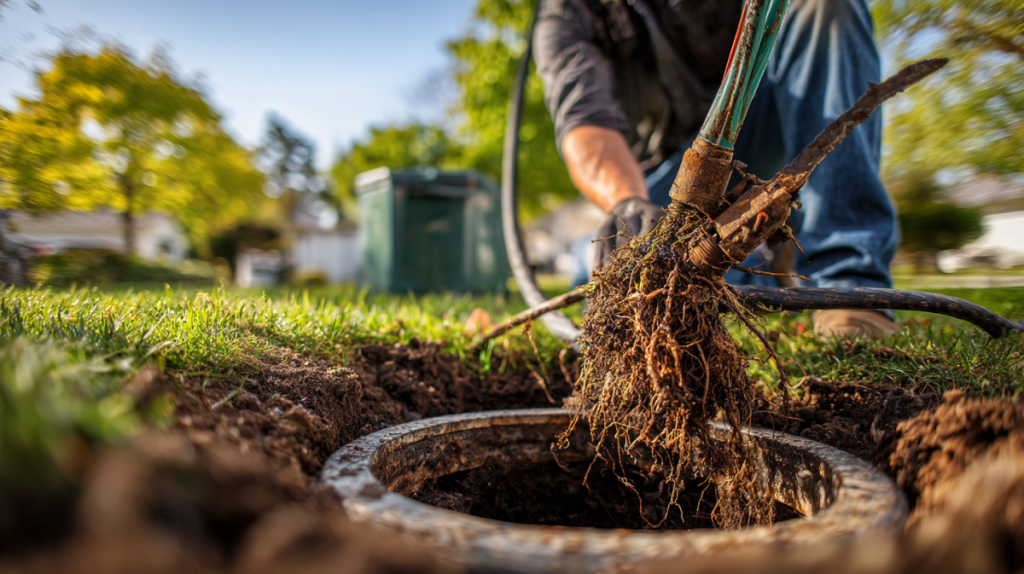
Instead of risking chemical damage, give Dynamic Drainage Solutions a call. Our engineers use professional methods, like high-pressure water jetting and snaking, to physically remove the blockage entirely—leaving your pipes completely clear, safe, and undamaged.